

















The climate agenda I worked on for the past twenty years has broken.
All this time it has been framed in siloed and hyper-technocratic terms: optimal emissions pathways, multilateral pledges, and net zero targets. The underlying assumption was that reducing environmental impact could be achieved through global cooperation, underpinned by (liberal) elite consensus, largely separate from the messy realities of politics and great-power competitions.
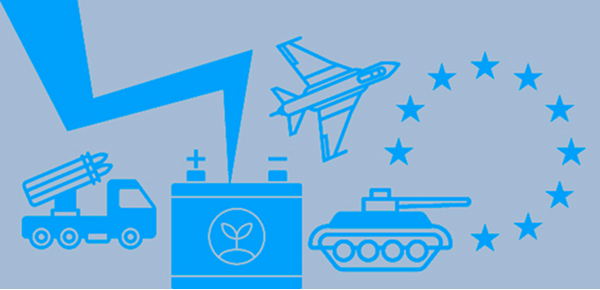
The ruptures in the global order we are seeing at the start of 2026—most visibly in the rising tension over control of the Arctic and Greenland—reveal the extent to which this inflexible approach must now change. These flashpoints underscore how global politics is defined by control, availability and access of vital resources—energy, minerals, water, food and critical technologies —which, in turn, shape global alliances, national politics, and economic trajectories. (You don’t have to be reading secret intelligence reports to see how environmental breakdown, and not just from rising temperatures, is making these pressures even more acute.)
It is these forces, not individual countries’ net zero targets, which will decide what will happen to the climate.